
Introduction
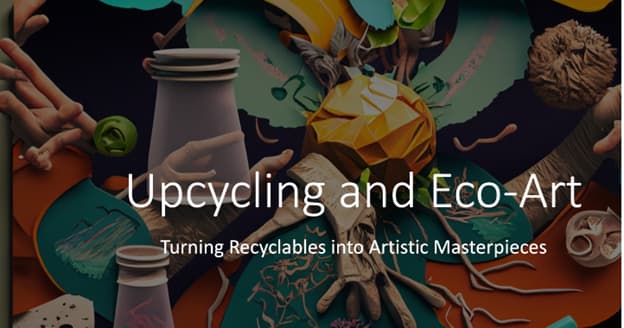
In an age where environmental consciousness meets artistic expression, the world of upcycling and eco-art is emerging as a powerful force for positive change.
The Art of Transformation
Upcycling is more than a creative endeavor—it's a revolutionary way of reimagining discarded materials. Artists and makers breathe new life into items destined for landfills, infusing them with imagination, purpose, and renewed beauty.
Eco-Art: Beyond Aesthetics
Eco-art extends creativity by weaving in environmental narratives. Each piece carries a message about environmental impact, sparking conversations about conservation, climate change, and collective responsibility.
The Role of Upcycling in Eco-Art
At the heart of eco-art lies upcycling practice. By embracing upcycling techniques, artists merge artistic visions with sustainable values, transforming waste into artistic masterpieces while amplifying environmental awareness.
From Trash to Treasure: Examples of Upcycled Art
Discarded bicycle parts become captivating sculptures, bottle caps transform into intricate jewelry, and reclaimed wood fashions into functional furniture. These examples highlight boundless creative potential when merged with sustainability.
Engaging Communities Through Collaborative Projects
Collaborative eco-art installations engage entire communities. By bringing people together to create large-scale art from recycled materials, these projects foster unity, creativity, and shared commitment to sustainability.
Embrace Upcycling and Support Eco-Art Initiatives
Individuals can embrace upcycling through DIY projects turning everyday items into artistic treasures. Supporting eco-art initiatives and local artists encourages creative expression and environmental advocacy.
Closing Thoughts
This journey invites people to see potential in what others discard. It's a celebration of creativity resonating with profound commitment to the planet, transforming the world one masterpiece at a time.
Tags